
 Log In

Codex Alimentarius
The Codex Alimentarius Commission sets international food standards that protect consumer health and support fair practices in global food trade. For special dietary foods, Codex plays a critical role in harmonising requirements across markets and supporting regulatory alignment worldwide.
ISDI actively engages in this work to ensure that Codex standards remain science‑based, high‑quality and reflective of the specific needs of vulnerable populations who rely on dietary foods.

Methods of Analysis
Accurate and precise methods of analysis are fundamental to ensuring the safety, nutritional quality and regulatory compliance of special dietary foods. Reliable analytical approaches underpin nutrient determination, quality assurance and comparability of results across laboratories and markets. The consistent application of scientifically validated, internationally recognised methods supports sound decision‑making, reduces uncertainty and helps ensure that special dietary foods meet the highest standards of safety and quality worldwide.
Macronutrient Calculator
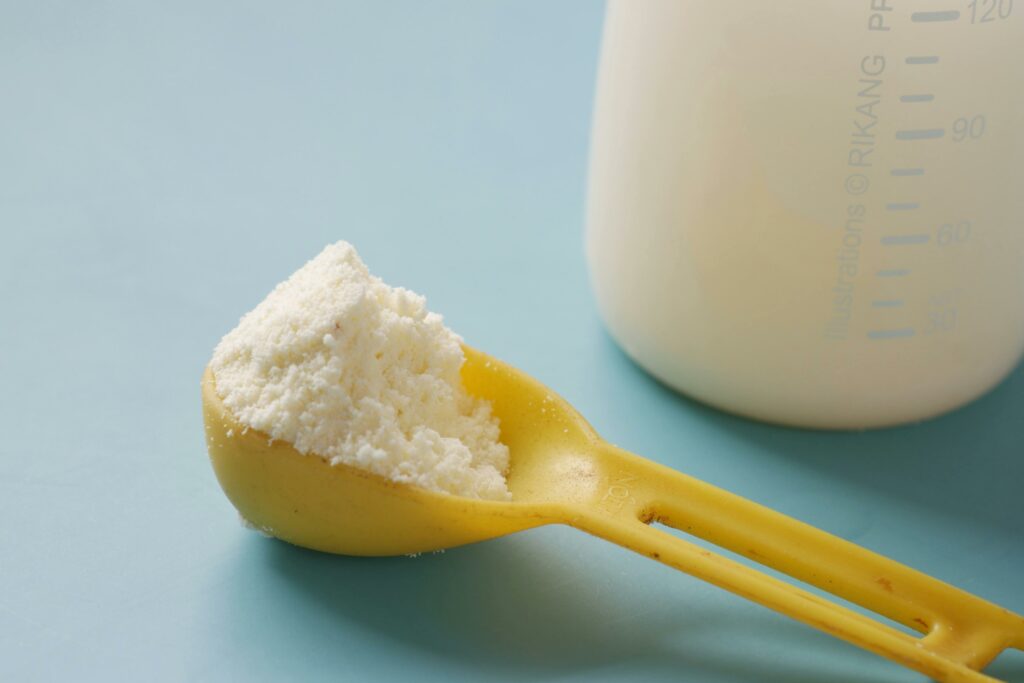
The ISDI Macronutrient Calculator is designed to support users in exploring the macronutrient composition of infant formula, follow-up formula for older infants and product for young children. Users can adjust the individual levels of macronutrients – protein, carbohydrates and fats – and evaluate compliance with Codex Alimentarius requirements in terms of macronutrient composition and total energy.


Research & Innovation
Research and innovation are central to the development of safe, high‑quality and effective special dietary foods that meet the nutritional needs of people with special dietary needs at all life stages.
Specialised nutrition is driven by science. It relies on continuous advances in nutrition science, food technology and analytical methods to improve composition, safety, bioavailability and suitability for vulnerable populations, including infants, patients, older people and individuals with specific nutritional needs.



Safety and quality
Safety and quality are central to special dietary foods, which are intended for vulnerable population groups, including infants, young children, patients and people with specific nutritional needs. Ensuring these foods are safe, fit for purpose and of consistently high quality is essential.
ISDI promotes a science‑based, risk‑based approach to safety and quality, grounded in internationally recognised standards and supported by robust manufacturing, hygiene and quality management systems.

Labelling and Claims
Nutrition labelling and claims play a central role in helping consumers, healthcare professionals and authorities understand the purpose, composition and appropriate use of foods. For special dietary foods, labelling and claims are particularly important, as these products are specifically formulated to meet the nutritional needs of vulnerable population groups.
ISDI supports initiatives that improve public health and enhance consumer understanding, while ensuring that labelling and claims frameworks remain science-based, proportionate and aligned with international standards, notably Codex Alimentarius.

Food processing
Special dietary foods are specifically processed or formulated to meet the nutritional needs of people with particular dietary requirements, arising from physiological conditions, diseases or disorders, including the needs of infants and young children. By definition, their composition differs significantly from that of ordinary foods.
Therefore, processing is not optional, but is fundamental to safety, nutritional suitability and quality.