
 Log In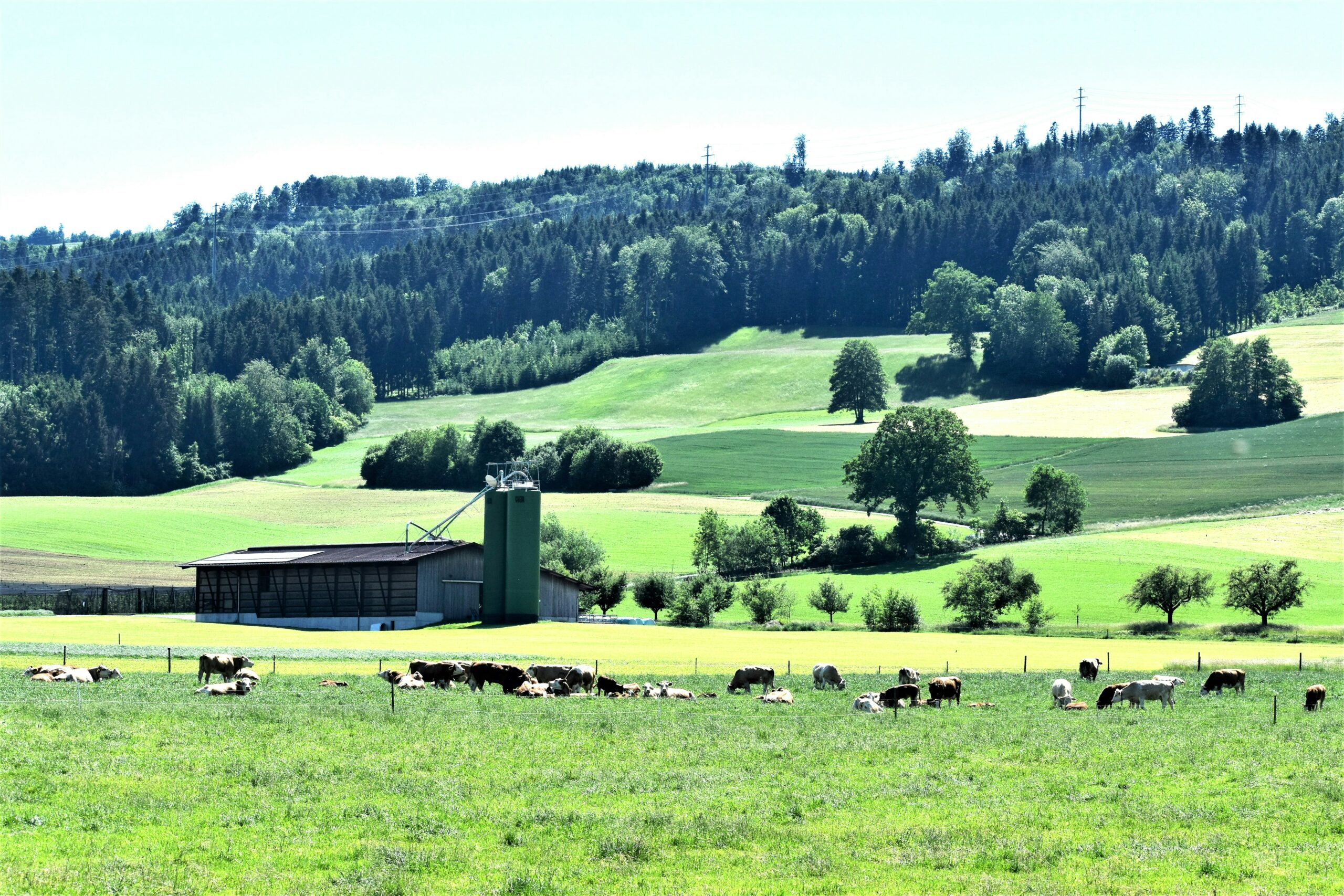

Improving environmental performance across the lifecycle
Manufacturers of special dietary foods take action to improve their environmental impact across the product lifecycle, from the sourcing of ingredients through to consumption.
They have specific commitments and targets in place to ensure sustainability across the entire value chain. These include actions on climate neutrality, deforestation, biodiversity, water stewardship, regenerative agriculture and circular packaging (recycling rates and use of recycled content).
Through these policies, actions and targets, which are reported on annually to measure progress, manufacturers of special dietary foods have already been able to meaningfully reduce their environmental impact and will strive to further reduce their impact in the years ahead.

Responsible ingredient sourcing and agriculture
Manufacturers work closely with agricultural suppliers to promote more sustainable farming practices for key ingredients, including milk, plant‑based raw materials, oils and micronutrients used in special dietary foods.
Initiatives typically focus on reducing greenhouse gas emissions at farm level, protecting soil health, improving animal welfare and minimising deforestation risks. This may include supporting regenerative and climate‑smart agriculture, encouraging better manure and fertiliser management, and promoting responsible land use practices through supplier codes, standards and long‑term partnerships.
By engaging farmers and ingredient suppliers directly, manufacturers aim to improve traceability and resilience of supply chains while contributing to biodiversity protection and more sustainable food systems tailored to the specific needs of special dietary nutrition.

Low-impact manufacturing and energy use
Manufacturing sites are increasingly designed and operated to reduce energy consumption and associated emissions. Given the high hygiene, safety and quality requirements of special dietary foods, efficiency improvements are implemented alongside strict process controls.
Manufacturers invest in energy‑efficient equipment, process optimisation and, where feasible, the use of renewable energy sources such as wind, solar or certified green electricity. Continuous improvement programmes help to reduce energy intensity per unit of product while maintaining product integrity.
Many manufacturers also set site‑level targets and monitor performance over time, integrating environmental considerations into operational decision‑making and capital investment planning.

Water stewardship and resource efficiency
Water is an essential resource in both agriculture and manufacturing, particularly for dairy‑based special dietary foods. Manufacturers therefore prioritise water stewardship across their operations and supply chains, especially in regions facing water stress.
Actions include reducing water use through process optimisation, recycling and reuse where safe and appropriate, and improving wastewater treatment to protect local ecosystems. At agricultural level, manufacturers may support more efficient irrigation practices and responsible water management.
These efforts aim not only to reduce absolute water use but also to ensure that water is used responsibly and equitably, recognising its importance for communities, ecosystems and long‑term food security.

Sustainable packaging and circularity
Packaging plays a vital role in protecting the safety and quality of special dietary foods. Therefore, manufacturers focus on improving the environmental performance of packaging while maintaining strict safety and regulatory compliance.
Key initiatives include lightweighting, increasing recyclability, reducing unnecessary components and, where feasible, incorporating recycled or renewable materials. Packaging design increasingly considers end‑of‑life outcomes, such as compatibility with existing recycling systems and clearer consumer guidance.
Manufacturers also engage in broader circular economy initiatives, working with packaging suppliers, recyclers and industry partners to help improve collection, recycling infrastructure and material recovery.

Transport, distribution and logistics
Manufacturers work to optimise logistics networks to minimise transport distances, improve load efficiency and reduce fuel consumption.
This can include better route planning, increased use of lower‑emission transport modes and collaboration with logistics partners committed to reducing their environmental footprint. Warehousing and distribution centres may also implement energy‑saving measures and renewable energy solutions.
Efficient logistics help to reduce emissions while ensuring reliable availability of nutritionally critical products for infants, patients and other vulnerable groups.

Waste management and food waste reduction
Manufacturers place a strong emphasis on avoiding waste at source through careful production planning, accurate demand forecasting and robust quality management systems.
At manufacturing sites, initiatives focus on minimising product losses during processing, handling and filling, while ensuring that products consistently meet strict nutritional and safety specifications. Where food waste cannot be avoided, manufacturers seek responsible solutions in line with the waste hierarchy, such as diverting suitable by‑products to animal feed or energy recovery, in compliance with food and feed safety rules.
Beyond production, manufacturers also work to reduce food waste along the supply chain and at the point of use. This includes optimising packaging sizes, improving shelf‑life management and providing clear guidance to support correct preparation and storage of products.