
 Log In




Nutritional deficiencies across the life course
Nutritional deficiencies occur when the intake, absorption or utilisation of specific nutrients – such as energy, protein, vitamins, or minerals – is insufficient to meet the body’s needs. They may develop gradually and often remain unrecognised, particularly when symptoms are mild or non‑specific.
Infancy and early childhood
During early life, adequate nutrition is essential for growth, immune development and cognitive function. Nutritional deficiencies may arise due to inadequate intake, feeding difficulties, infections or underlying medical conditions. If not addressed, deficiencies during this period can affect growth and development with potential long‑term consequences.
Childhood and adolescence
Periods of rapid growth increase nutritional requirements. Poor diet quality, restrictive eating patterns, illness or increased physiological needs may result in deficiencies of energy, protein, iron, iodine, vitamin D or other micronutrients, potentially affecting physical development, learning, and overall health.
Adulthood
In adulthood, nutritional deficiencies may develop due to lifestyle factors, inadequate diet quality, gastrointestinal conditions or increased needs related to stress or illness. While individuals may appear otherwise healthy, sub‑optimal nutritional status can reduce resilience and increase susceptibility to disease.
Older Age and Healthy Ageing
Nutritional deficiencies are particularly common in older adults. Age‑related physiological changes, reduced appetite, changes in taste and digestion, chronic conditions, polypharmacy, social isolation and limited access to nutritious foods all contribute to inadequate intake.

Disease‑related malnutrition
Disease‑related malnutrition is a medical condition that develops as a direct consequence of disease or injury. It is characterised not only by insufficient intake, but also by disease‑driven processes such as inflammation, altered metabolism, impaired absorption or increased nutritional requirements.
Disease‑related malnutrition is commonly associated with:
- Unintended weight loss
- Loss of muscle mass and strength
- Functional decline and delayed recovery
- Poorer clinical outcomes and increased healthcare use
Unlike nutritional deficiencies in otherwise stable individuals, disease‑related malnutrition cannot usually be managed by dietary measures alone. It requires structured medical nutrition care, including appropriate use of Foods for Special Medical Purposes (FSMPs), under the supervision of a medical professional.

Healthy ageing
Healthy ageing focuses on maintaining functional ability and wellbeing as people grow older. Nutrition plays a central role in this process, primarily through the prevention and correction of nutritional deficiencies.
By maintaining adequate nutritional status over time, individuals can build and preserve nutritional reserves that:
- Support physical and cognitive function
- Enhance resilience to illness
- Reduce the risk and severity of disease‑related malnutrition
Early attention to nutrition in older age is, therefore, a key preventive strategy, helping to protect health and independence and to reduce avoidable burdens to health systems.
The role of Foods for Special Medical Purposes (FSMPs)
For some individuals, nutritional needs cannot be met through normal foods alone. In these cases, Foods for Special Medical Purposes (FSMPs) are an essential part of nutrition care.
FSMPs are foods specially processed or formulated for the dietary management of patients, including infants, and are intended to be used under medical supervision to meet medically determined nutritional requirements.
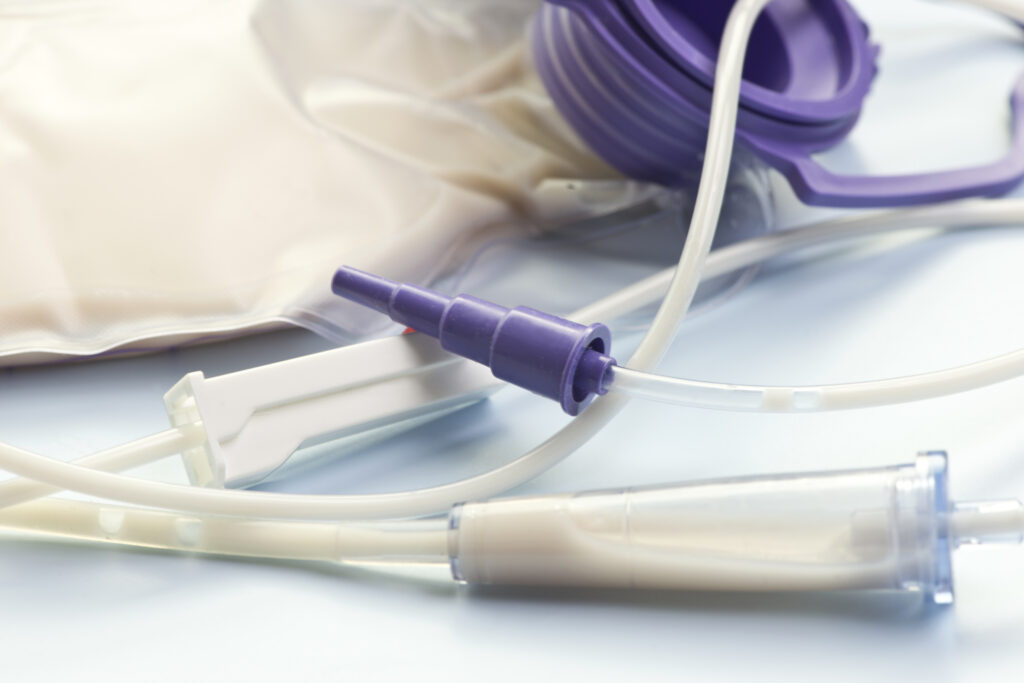
Enteral nutrition (tube feeding)
Enteral nutrition, or tube feeding, involves delivering nutritionally complete formulas directly into the gastrointestinal tract when oral intake is inadequate or unsafe, but digestion and absorption remain functional. It may be used short- or long-term. Formulas range from standard complete feeds to specialised options for higher energy, protein or malabsorption needs, delivered via routes such as nasogastric, gastrostomy or jejunostomy tubes, with multidisciplinary oversight and careful monitoring.

Oral Nutritional Supplements
Oral Nutritional Supplements (ONS) are foods for special medical purposes taken by mouth to boost energy and nutrient intake when usual foods are insufficient. Available as liquids, semi-solids or powders, they provide concentrated energy, protein and micronutrients in small volumes. ONS may be nutritionally complete or supplementary, with formulations tailored to specific clinical needs, and are typically used alongside dietary counselling, symptom management and ongoing monitoring.

Foods for Special Medical Purposes intended for infants
Foods for Special Medical Purposes (FSMPs) for infants are specialised products used under medical supervision to manage conditions where normal feeding is unsafe or insufficient, including severe allergy, metabolic disorders, gastrointestinal disease, malabsorption or prematurity. Unlike standard infant foods, they may use extensively hydrolysed proteins or amino acids, modified fats or carbohydrates, and tightly controlled nutrients, with some formulated to be nutritionally complete and suitable as a primary food source.
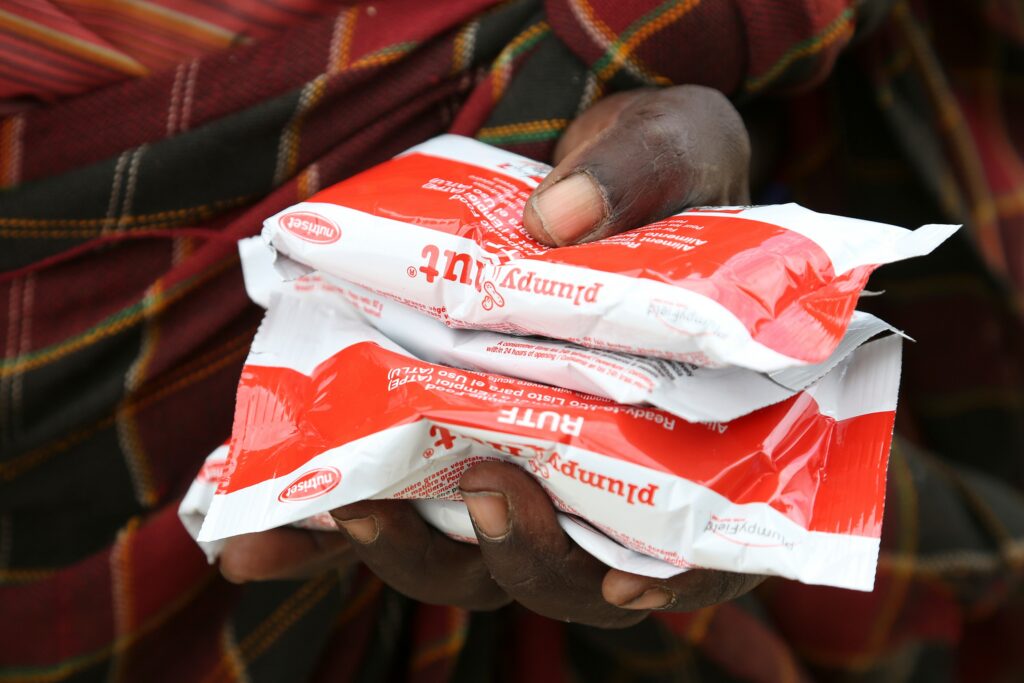
Ready-to-Use Therapeutic Food
Ready-to-use therapeutic foods (RUTF) are energy-dense, micronutrient-rich products used to treat severe acute malnutrition in specific settings. They are shelf-stable, require no cooking or refrigeration and deliver high levels of energy, protein and essential micronutrients in small volumes. RUTFs are typically used within structured humanitarian, community-based or clinical programmes, particularly where access to healthcare, safe water or cooking facilities is limited, ensuring safe distribution and predictable nutrient intake during treatment.

Prevention and treatment across the continuum of care
Preventing nutritional deficiencies and building nutritional resilience are central to healthy ageing and reducing vulnerability to disease‑related malnutrition. Early identification of nutritional risk – particularly during illness, hospitalisation or care transitions – allows timely intervention and can prevent deterioration. When disease‑related malnutrition occurs, structured medical nutrition care is required, including assessment, individualised care plans and appropriate use of Foods for Special Medical Purposes under medical supervision.
Sustaining nutritional improvements depends on continuity of care and ongoing monitoring across settings, supported by collaborative, science‑based engagement among policy-makers, healthcare professionals, patients, the medical nutrition industry and other stakeholders.