
 Log In

Food processing serves nutrition and safety in special dietary foods
Special dietary foods are defined by Codex Alimentarius as ‘specially processed or formulated to satisfy particular dietary requirements which exist because of a particular physical or physiological condition and/or specific diseases and disorders and which are presented as such. The composition of these foodstuffs must differ significantly from the composition of ordinary foods of comparable nature if such ordinary foods exist.’
Food processing in special dietary foods serves two overarching purposes:
- Food safety, by ensuring products are microbiologically safe and stable throughout their shelf life
- Nutrition, by enabling precise nutrient composition, bioavailability and suitability for vulnerable populations
These processes are carefully selected, validated and controlled throughout manufacturing.
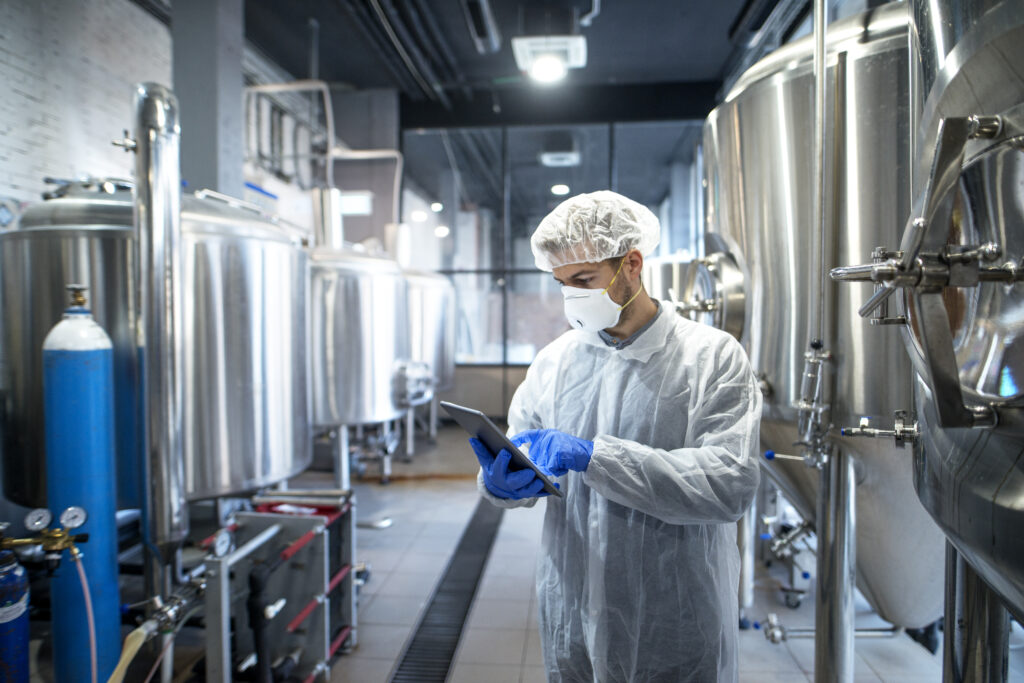
Processing as a foundation of food safety
Special dietary foods are often consumed by populations with increased vulnerability, such as infants, young children or individuals with medical conditions. As a result, food safety considerations are paramount at every stage of production.
Common food safety-related processes include:
- Strict raw material selection and control, including supplier qualification, audits and analytical testing
- Heat treatments to eliminate or reduce harmful microorganisms
- Controlled drying and moisture management to inhibit microbial growth
- Packaging and handling processes designed to preserve product integrity during transport and storage
Throughout manufacturing, products are systematically monitored for microbiological condition, chemical composition and physical stability to ensure compliance with applicable standards and specifications.

Delivering nutritional quality and adequacy
Processing plays a central role in achieving the nutritional quality and adequacy of special dietary foods. These foods must deliver specific nutrients in defined amounts and forms that are safe, digestible and bioavailable for the intended consumer group.
Nutritional objectives supported by processing include:
- Achieving precise nutrient composition, often not possible through raw ingredients alone
- Improving digestibility and absorption, particularly important for infants and people with compromised digestion
- Ensuring uniformity and consistency, so that every serving meets the intended nutritional density
Through controlled formulation and processing, manufacturers can ensure that special dietary foods consistently meet the dietary needs they are designed to address.

Food additives as a solution to technical challenges
Additives provide solutions to a range of technical challenges in the manufacturing, processing, packaging, transport and use of special dietary foods.
The use of food additives and the products in which they are allowed to be used is highly regulated worldwide and periodically reviewed by food authorities. The existing strong regulatory framework for additives is based on robust safety evaluations – additives used in special dietary foods undergo extensive toxicological assessments by the Joint FAO/WHO Expert Committee on Food Additives (JECFA) and other food safety entities worldwide, which ensures their safety and healthiness.
Selecting the most appropriate additive is based on the unique needs of the product formula as their effects may vary depending on many factors, including the manufacturing process, thermal processing method, ingredients and product format.
Each additive used in FSDU has a specific purpose, such as:
- Antioxidants prolong shelf-life by preventing oxidation;
- Emulsifiers help to prevent separation of ingredients during manufacturing and over shelf-life;
- Anticaking agents allow powders to flow freely and prevent them from caking over shelf-life;
- Sweeteners improve the flavour profile of FSDU highly fortified in vitamins and minerals, masking potentially unpalatable aftertastes;
- Thickeners may be used in products intended for patients with dysphagia who have difficulty swallowing certain foods and liquids;
- Acidity regulators ensure the pH of the product remains at the desired level, which helps to maintain the physical stability of FSDUs.
Additives are also permitted in order to improve the functionality of the food towards health. This means that additives are used only if technologically needed and in the appropriate, permitted amount.