
 Log In

A critical time for growth and development
From birth to three years of age, children experience rapid physical growth, brain development and immune system maturation. Nutritional inadequacies during this window can have immediate consequences for health and development and may also increase the risk of long‑term adverse outcomes, including impaired cognitive development and poor health later in life.
The first 1,000 days – from conception to a child’s second birthday – are particularly important, but nutrition remains critical throughout early childhood as growth and developmental processes continue.
Feeding practices and nutritional outcomes during this time are influenced by a wide range of interconnected factors, including:
- Access to healthcare and nutrition education
- Socioeconomic conditions and food security
- Cultural norms and family practices
- Maternal health and nutrition
- Food availability, affordability and safety
- Hygiene and sanitation
These factors interact differently across countries, communities and households, shaping how infants and young children are fed and how well their nutritional needs are met.
Changing nutritional needs
Infants and young children have specific nutritional requirements that evolve with age and development. Feeding practices must adapt to these changing needs to ensure nutritional adequacy at each stage.

Early infancy
(0-5 months)
In early infancy, nutritional needs are exceptionally high relative to body size. Nutrition must support rapid growth, brain development and immune protection.
Breast‑milk provides optimal nutrition for infants at this age. When breastfeeding is not possible or not sufficient, infant formula is the only safe and nutritionally adequate alternative, specifically formulated to meet the nutritional requirements of infants during this period.
At this stage, infants rely entirely on milk‑based feeding.
Note: Some infants may be developmentally ready for age-appropriate complementary foods, alongside breastfeeding or infant formula, from 4 months of age, upon guidance from healthcare professionals.

Older infancy
(6-11 months)
From around six months of age, infants’ energy and nutrient requirements increase, and breast‑milk or formula alone is no longer sufficient to meet all nutritional needs.
This period marks the start of complementary feeding, when foods are introduced alongside continued breastfeeding or formula feeding. Complementary feeding supports:
- Increasing energy and micronutrient needs,
- The introduction of different tastes and textures,
- The development of feeding skills and eating behaviours.
During this phase, follow‑up formula and scientifically formulated complementary foods, when used appropriately as part of a mixed diet, can help support nutritional adequacy and reduce nutrient deficiencies.

Young childhood
(12–35 months)
During early childhood, children progressively transition to a more diversified, family‑based diet. Although growth rates slow compared to infancy, nutritional needs remain high.
Young children consume small portion sizes and may show selective eating behaviours, making it challenging to achieve adequate intakes of essential nutrients from general foods alone. Diets may be low in key micronutrients, such as iron, zinc, calcium and vitamin D, or conversely high in energy, salt or sugars.
Nutrition during young childhood therefore requires continued attention to nutrient density and dietary diversity. Alongside appropriate family foods, scientifically formulated complementary foods and growing-up milks fortified with essential micronutrients can help address nutrient gaps and support healthy growth and development during this critical period.

Appropriate and inappropriate feeding practices coexist globally
Across the world, a wide range of feeding practices are common during infancy and early childhood. Some support healthy growth and development, while others may lead to nutritional deficiencies, imbalances or exposure to unsafe foods.
Inappropriate feeding practices may include:
Early infancy
- Early introduction of foods or liquids that displace exclusive breastfeeding or infant formula
- Nutritionally inadequate liquids or foods, such as homemade infant formula, animal milks or plain water
- Unsafe preparation or hygiene practices that increase the risk of infection
Older infancy and early childhood
- Foods or liquids with low nutrient density
- Limited dietary diversity
- Foods that provide insufficient micronutrients or excessive energy, salt or sugars
- Unsafe food preparation and storage
The burden of malnutrition is substantially higher in low‑ and middle‑income countries, where food insecurity, limited access to diverse diets and unsafe feeding conditions are more prevalent. However, nutritional challenges during infancy and early childhood exist in all regions, including high‑income settings, and contribute to both under‑nutrition and over‑nutrition.

Specialised nutrition is part of the nutritional toolbox
Special dietary foods – including infant formula, follow‑up formula, growing‑up milks and complementary foods – are designed to address the specific nutritional needs of infants and young children at different stages of development.
Used appropriately and responsibly, these products can:
- Provide safe and nutritionally adequate alternatives or complements to breast‑milk
- Help address nutrient gaps during critical periods of growth
- Deliver high nutrient density in age‑appropriate portion sizes
- Support dietary diversity
- Offer reliable nutrition where local foods are unavailable, unsafe or difficult to prepare hygienically
Foods and drinks formulated for infants and young children are subject to strict regulatory requirements to ensure their safety, quality and nutritional suitability. They are one component of a comprehensive approach that also includes breastfeeding support, nutrition education, strong health systems and equitable access to safe foods.
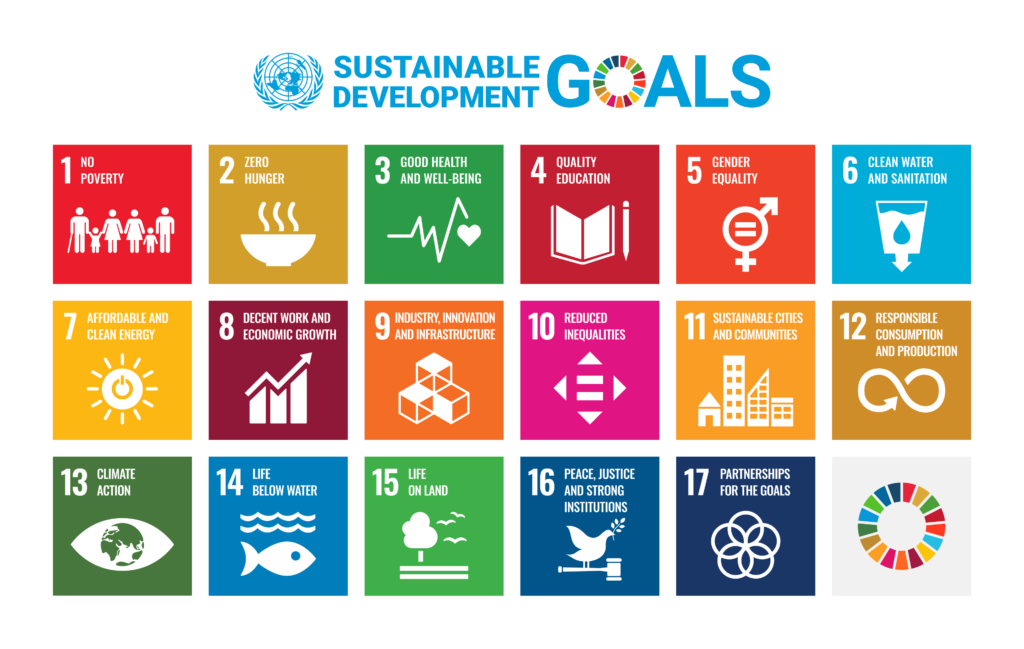
SDGs and the Global Nutrition Targets
By supporting safe and nutritionally adequate feeding during infancy and early childhood, infant formula, follow-up formula, growing-up milks and manufactured complementary foods contribute to broader global objectives, including:
- Sustainable Development Goal 2: End hunger, achieve food security and improved nutrition
- Sustainable Development Goal 3: Ensure healthy lives and promote well‑being for all at all ages
They also contribute to progress towards the Global Nutrition Targets, particularly those related to reducing stunting, wasting and childhood overweight.
Addressing these challenges requires a science‑based, multi‑stakeholder approach that recognises biological needs, real‑world feeding practices and contextual constraints.